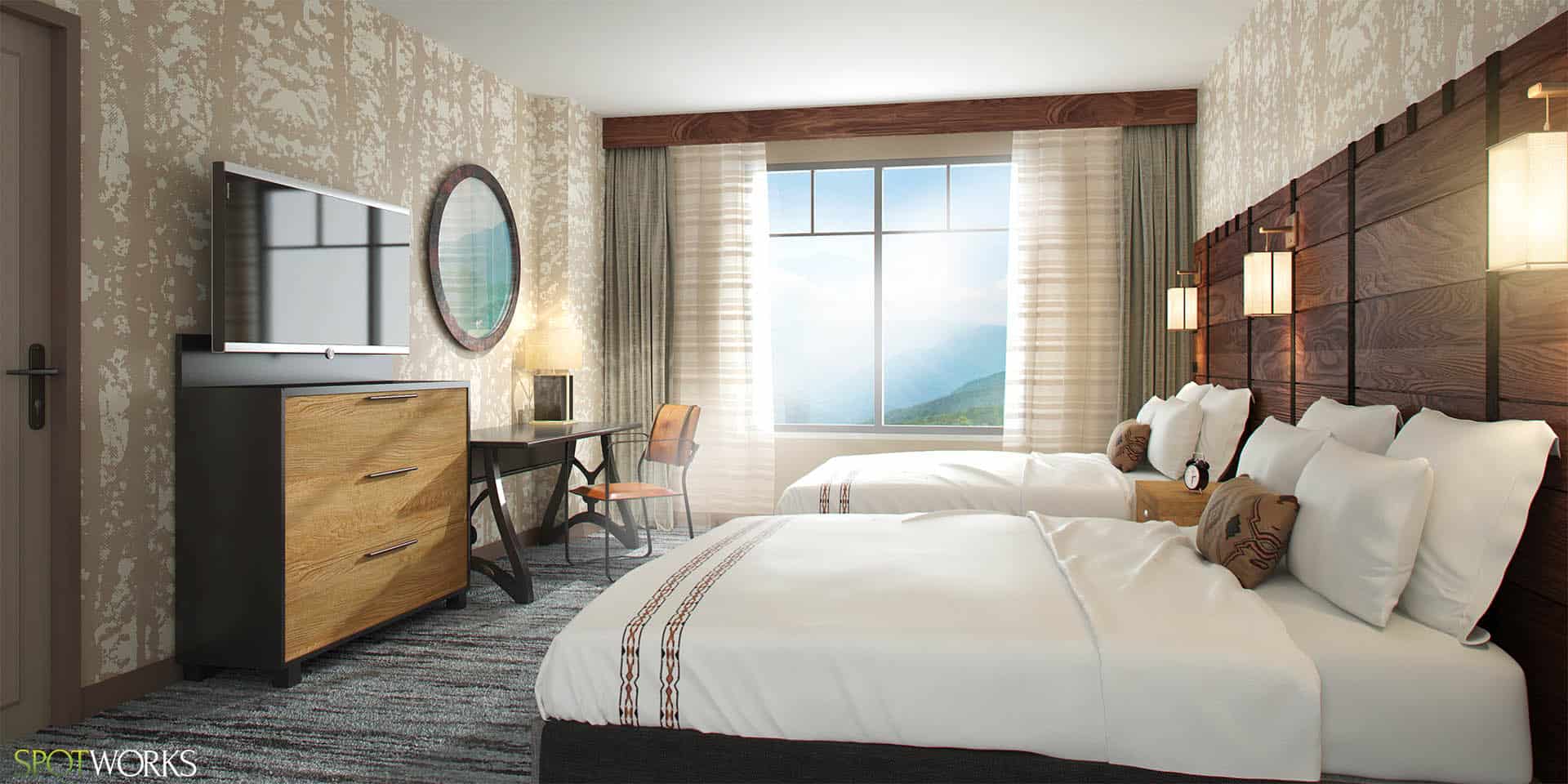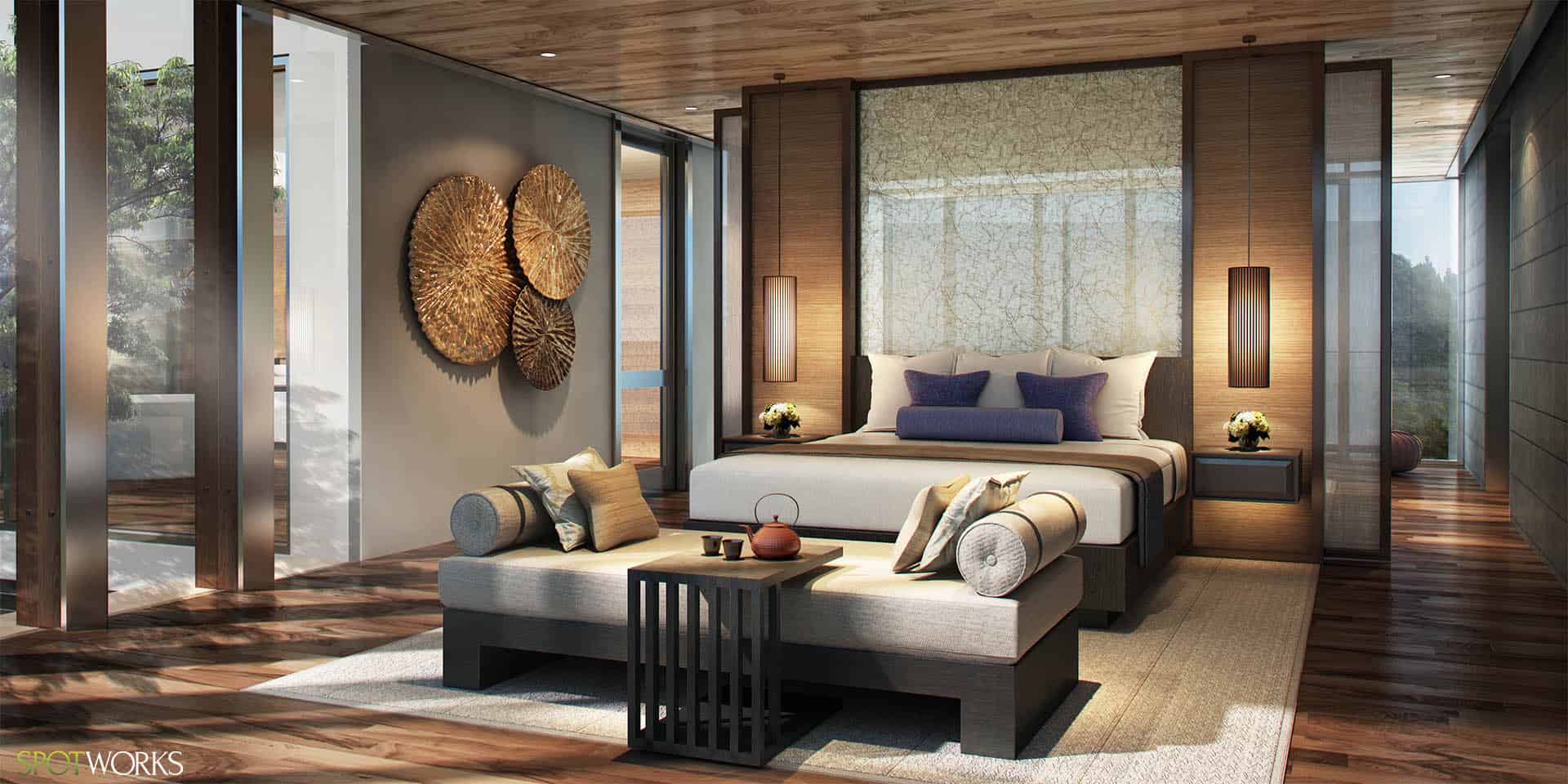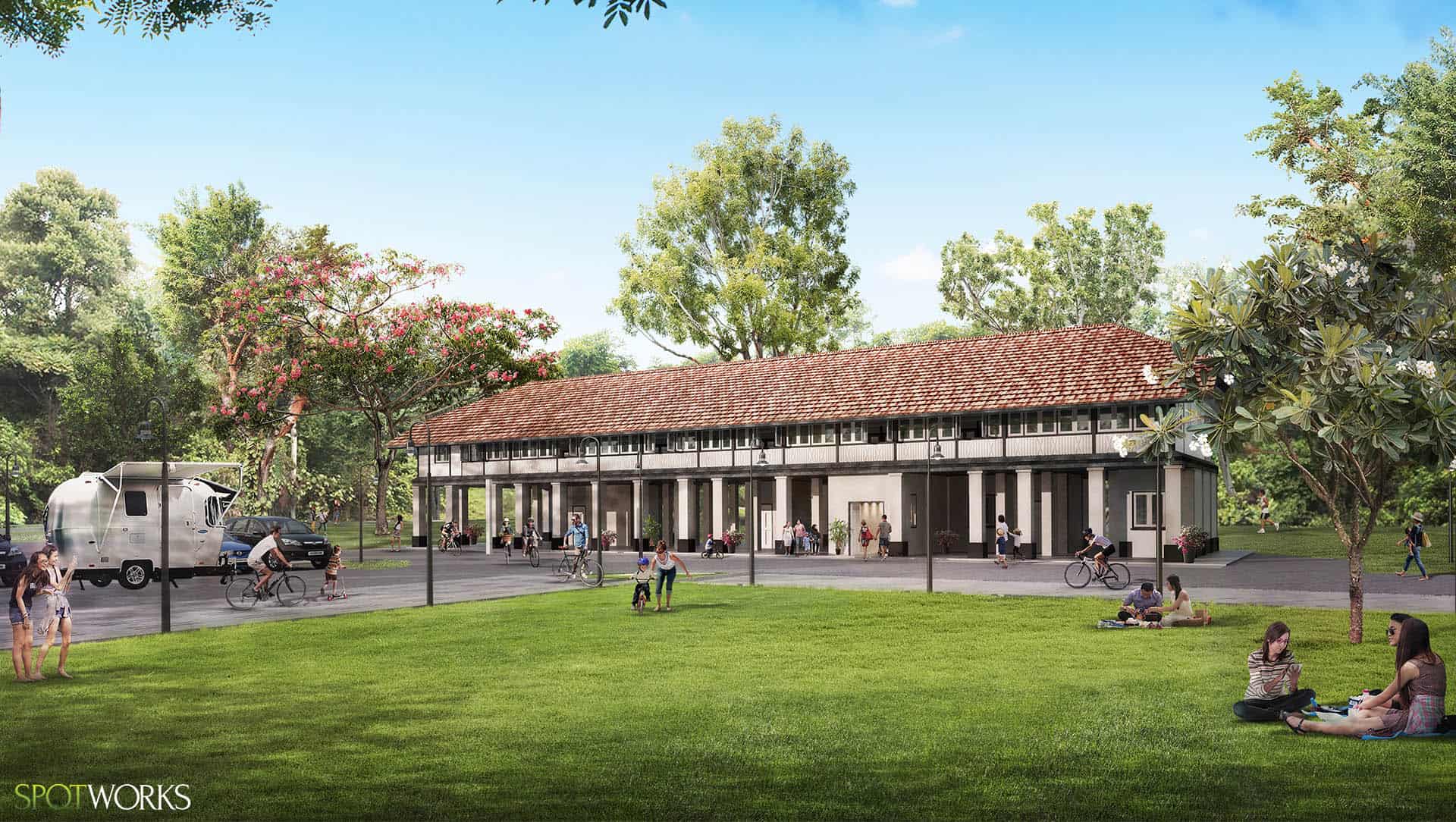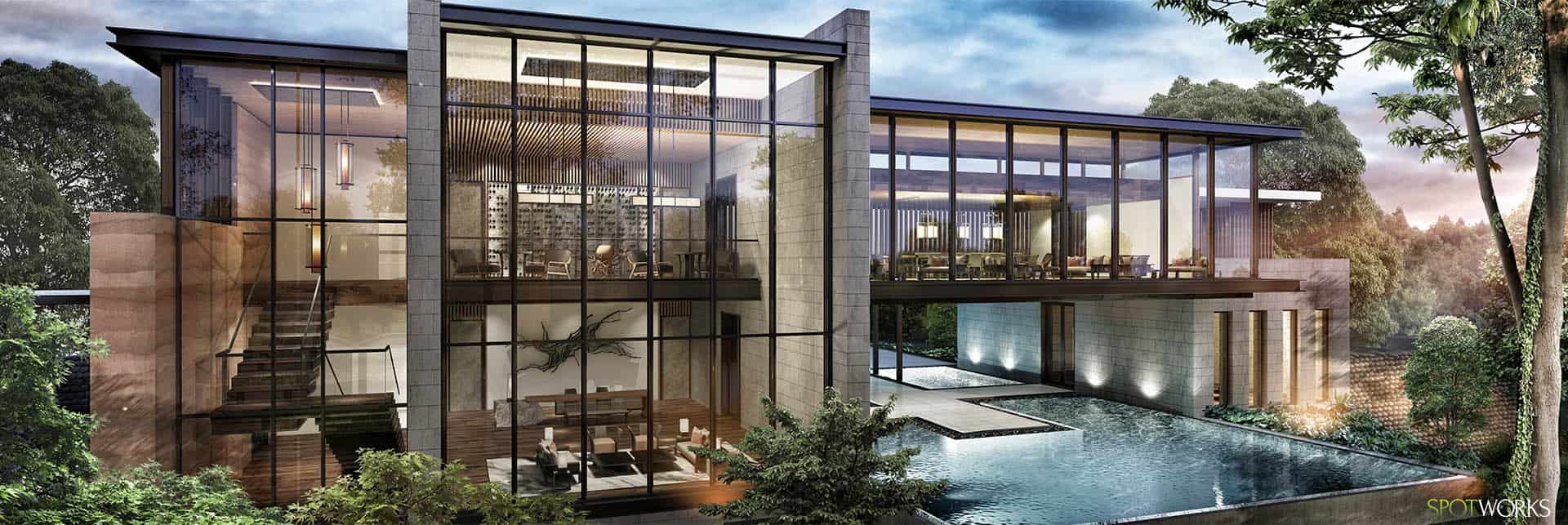
Landscape Architectural Renderings

5 Benefits of Landscape Architectural Renderings

By 3d rendering

What is landscape architectural rendering?

3D rendering in the world of landscape architecture has been around for quite some time. It’s been changing the way we perceive designs. All things considered, 3D rendering has already started to become a key factor in the designing phase for architect. However, this article isn’t for the people that are already familiar and using 3D rendering. It’s for people that are somewhat skeptical about the whole process but would like to find out more. This is exactly what we’re going to do today. We will go over some of the benefits of landscape architectural renderings to help you understand why it’s something you definitely need to start using ASAP. Let’s get to it…

How to judge the quality of landscape rendering?

This a lot of people will ask themselves this question when they are looking for landscape architectural rendering companies. Looking at their portfolios and make sure their quality can match your expectation. This is a very important stage for you. If only price can match your plan but not the quality, you shouldn’t even consider it from the starting. You’ll not wish to receive a low quality work but you’ve paid for a high price. Yeah.. I am going to explain more details for this services and the key point you need to take note. So, you will know how to choose the right rendering provider for your design.

Here are the 3 Main criteria to judge the quality:

Lighting and shadow

First thing first, when you first look at the rendering, the lighting should look natural. Of course, when we talk about lighting, it will involve shadows. Please look at the light source angle and the shadows should come along with that angle. Besides the angle, you should take note of the level of the shadow. Like directional shadow should be strong, subtle indirect shadow, contact shadows where objects touch neighboring surfaces. The area near to the light source should not have any shadows.

Level of details

Secondly, landscape is also exterior rendering. People will definitely expect more details from here. The rendering artist should understand the blueprint before they start the work. They must have the image in their mind and plan out everything. From here, you can look at the surface material, corner details, what kind of plants. Also, how is the landscape design match with the building design in rendering. If the rendering quality is bad, the outsider will realize it even they can’t explain why is that so.

People in the rendering

Why do I say this? Many of the rendering artist can’t make a good rendering because of this. When they put people in the rendering, they need to adjust a lot things. E.g. lighting, color balance, contrast and saturation. As mentioned, lighting and shadow are the vital step It takes time to edit the lighting. The artist must have good understanding as well. Another point is that some artist do choose people’s position properly. They just add it for the seeking of adding. Adding them in places where they don’t seem to naturally belong in the scene.

Not only these 3 you should take note of, there many more to judge their quality. Most importantly, they must look natural in landscape architectural rendering! This is usually how the outsider will judge the quality.

Easy to communicate ideas

One of the primary limitations in the world of architecture is that your client is an extremely non-technical individual. He has no idea how you do what you and this sort of creates a communication barrier. It can be really challenging to explain blueprints to a person with zero knowledge of architecture. And, at the same time, it’s difficult for the client to explain his simplified ideas to a professional like yourself. This is where 3D rendering can be a life saver. Instead of having to trace through blueprints, you can just present an image file of the client’s future premises and job done. You’ll be able to swap ideas pretty easily with each party conveniently understanding what the other party has in mind. To sum it up, landscape architectural renderings are the language that architects and clients can use to converse.
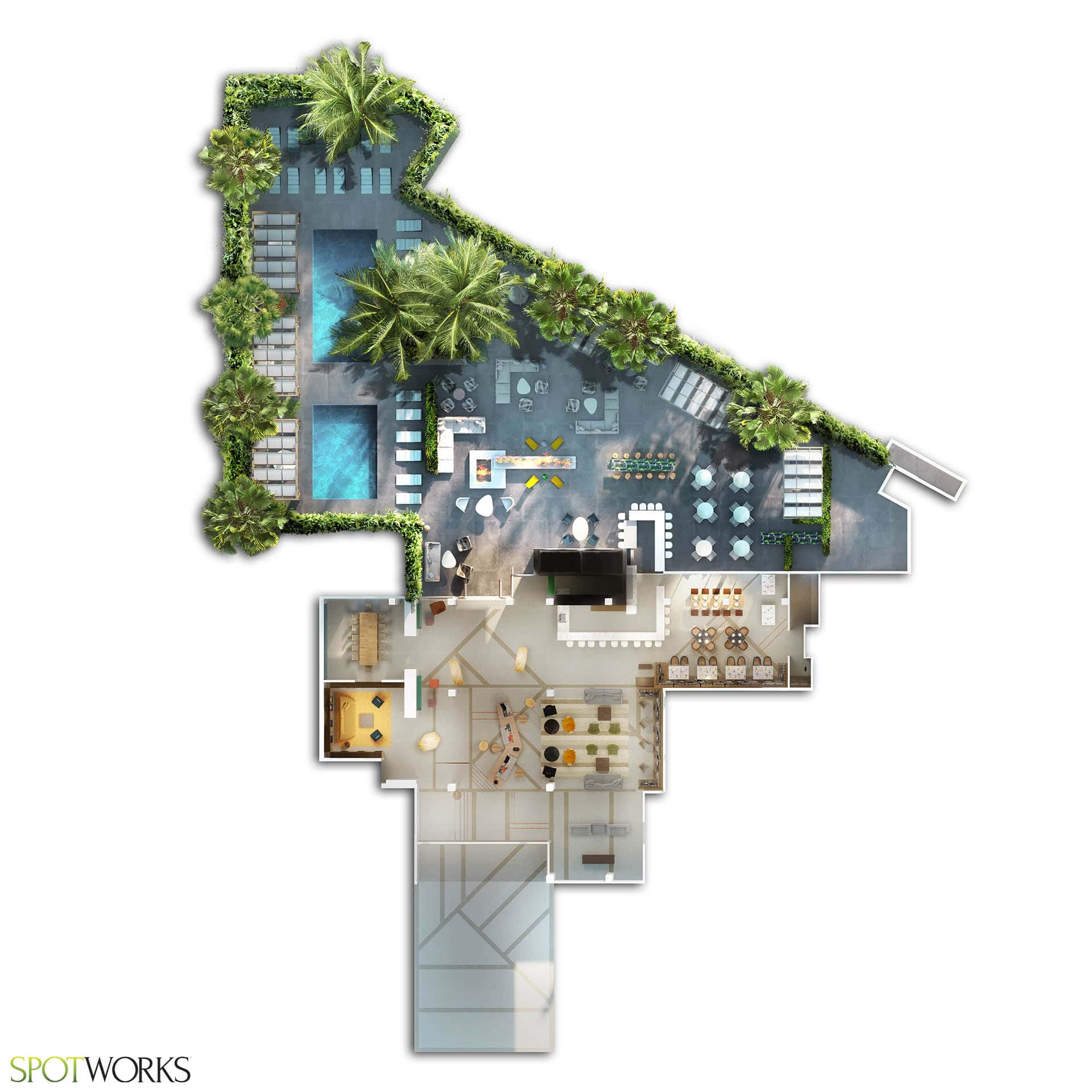
3d architectural floor plan

Time efficient and risk free

What happens when the client changes a certain detail about the place under construction? You’ll probably have to redo some portion of the building or landscape and spend some extra money to do so. Money is really not your concern, the client will be charged for those additional changes. The real con of all those changes will be the time. The client will end up taking more time and more manpower. The number will be more than what you had calculated and allotted before starting the whole process of construction.

But, now you’re going to have to give the client more time than before. Which is ultimately time that you’re taking off of other people’s plate. But, if you used landscape architectural renderings, the client won’t need to make any changes once construction starts. You’ll be able to easily wind up the project in the given deadline, not use any extra manpower than necessary and most importantly, save yourself and your client a lot of money that would be wasted otherwise.
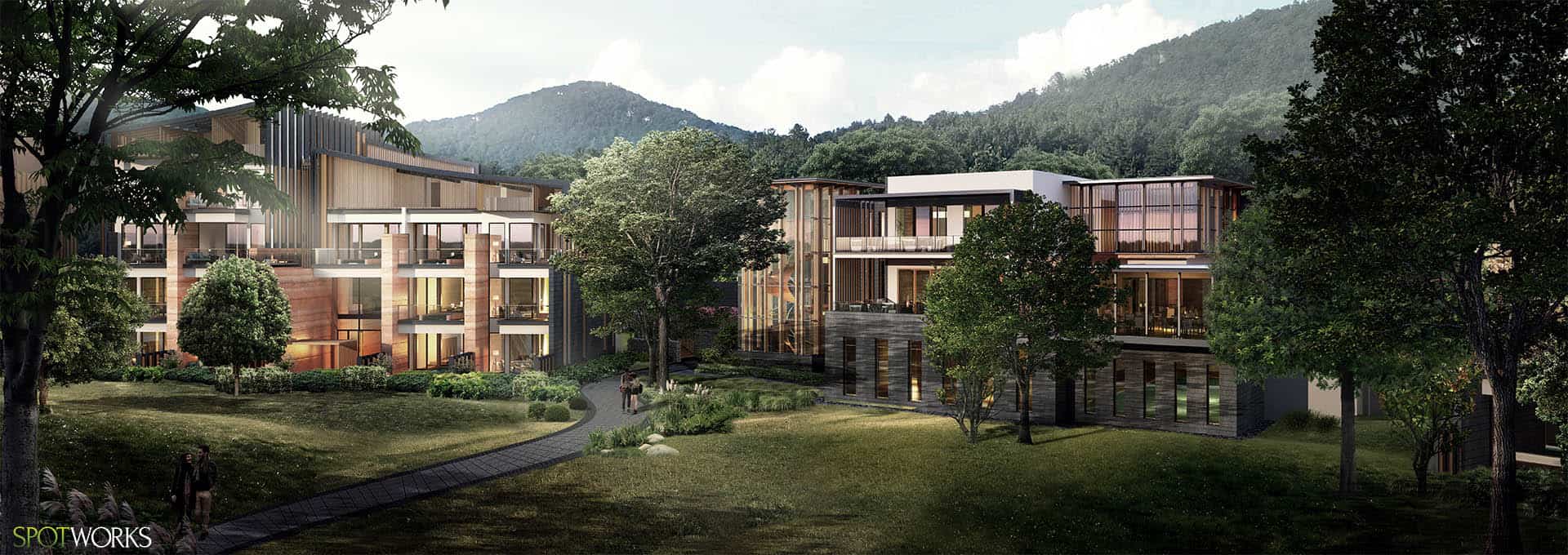
3D Visualizer

Create an attractive portfolio

As an architect, what’s the one thing you want to exhibit to your potential clients before they sign up to do business with your company? Yup, you guessed it right. Your portfolio is what is going to help you make those sales. Typically, architects use past projects and completed structures in their portfolio, which does work fairly well.

However, there is a technique that could prove out to be so much more fruitful as compared to the those images. Instead of showing photographed pictures to the people looking to hire you, show them virtually made 3D images that are an impeccable demonstration of your work. We will quote Thanos here and say that “Reality can be whatever you want”. You can add flawless designs to your portfolio instead of actual made buildings that may or may not look that attractive. The designs exhibited in the portfolio don’t even need to be physically or scientifically possible. It’s beside the point whether or not your company could construct that specific design. It just need to look pretty and voila! You have an impeccable portfolio that’s impossible to resist.
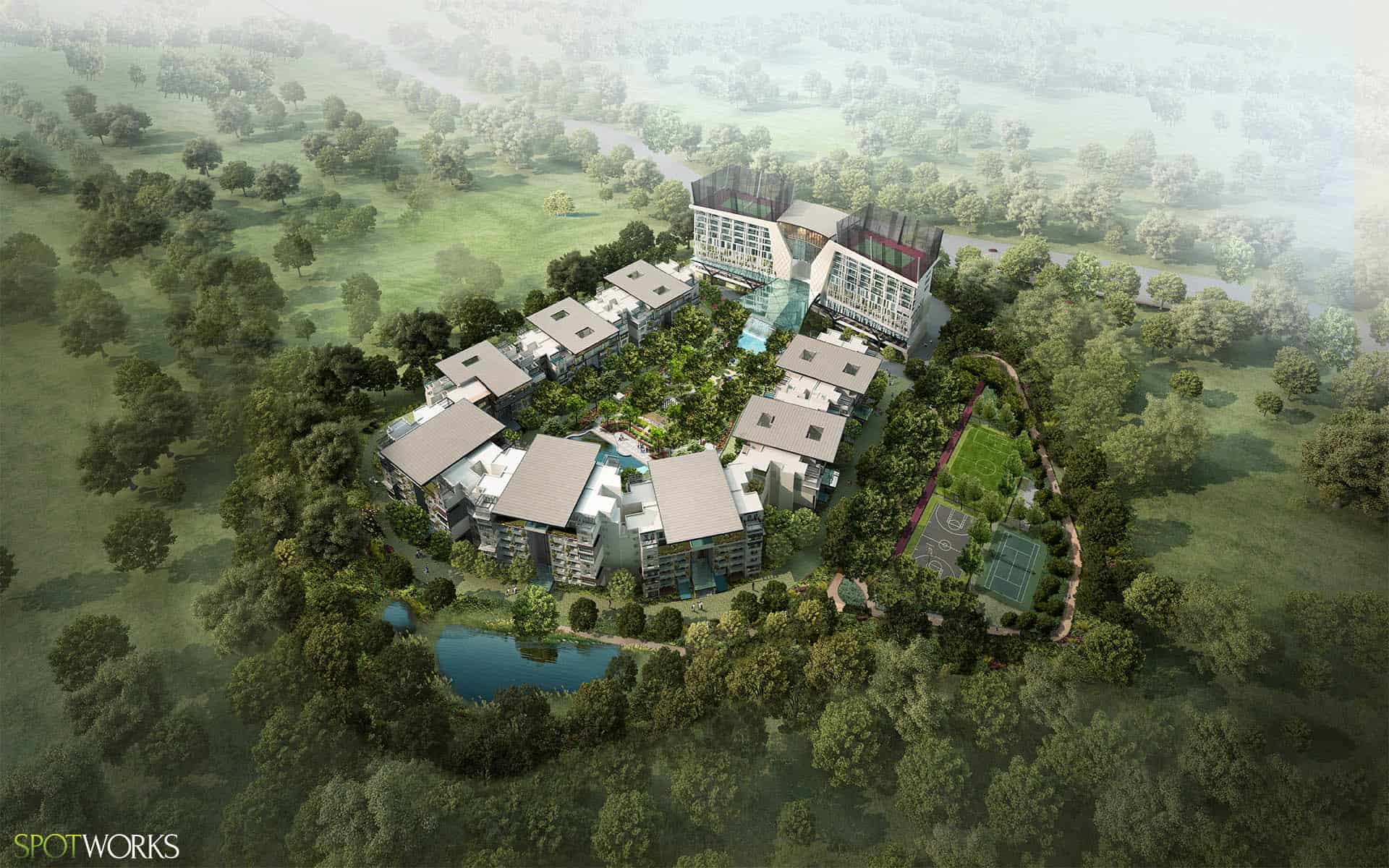
SKAV Aerial Render

Increases productivity throughout the work space

Let’s talk about how 2D and 3D modeling are different from one another. First of all, when you’re using 2D blueprints, the whole finalizing the design process is just a nightmare for your company. You have to go back and forth and literally go through a long series of arguments with the client to ultimately come up with a design.

Now, you forward all those designs along with any special requirements to some manager who has to then, explain everything to his construction team. And, every time the client changes his mind about some small aspect of the landscape, you have to go through this cycle. We’ve established the fact that 2D designs will include several modifications from the client over the course of the project. You’ll have to repeat this entire process over and over again. But with landscape architectural renderings, it will make it much easier.

On the other hand, if you were to make a 3D rendered image instead of a blueprint, the client could easily achieve the finalized design after some slight modifications. You won’t have to do much explaining to a project supervisor either, just forward that rendered image and in turn, the supervisor would do the same thing. The whole process is done in a significantly less time and thus increases the productivity of the entire workspace.
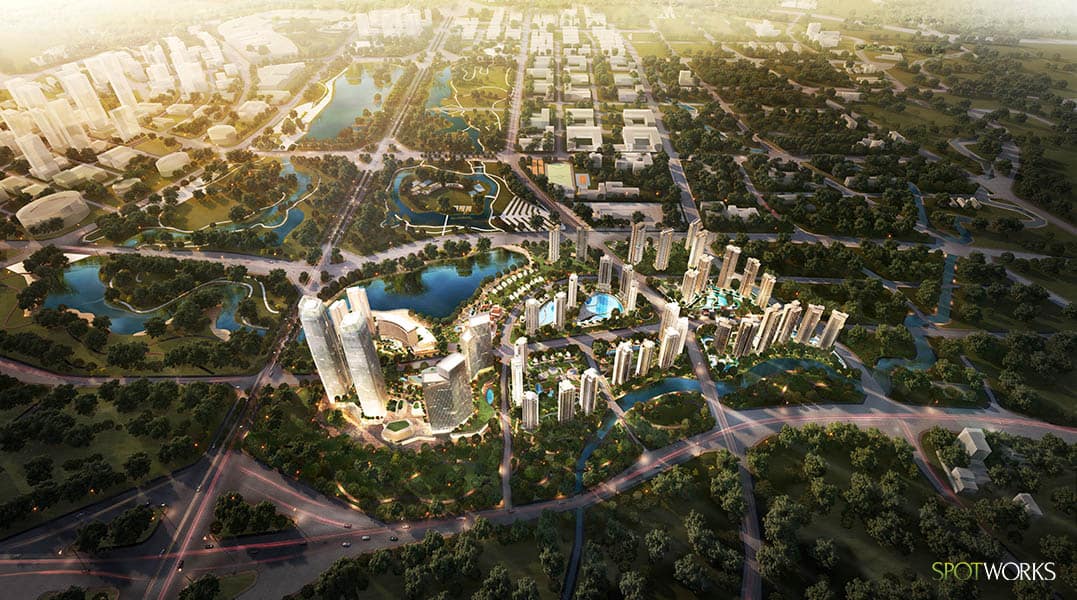
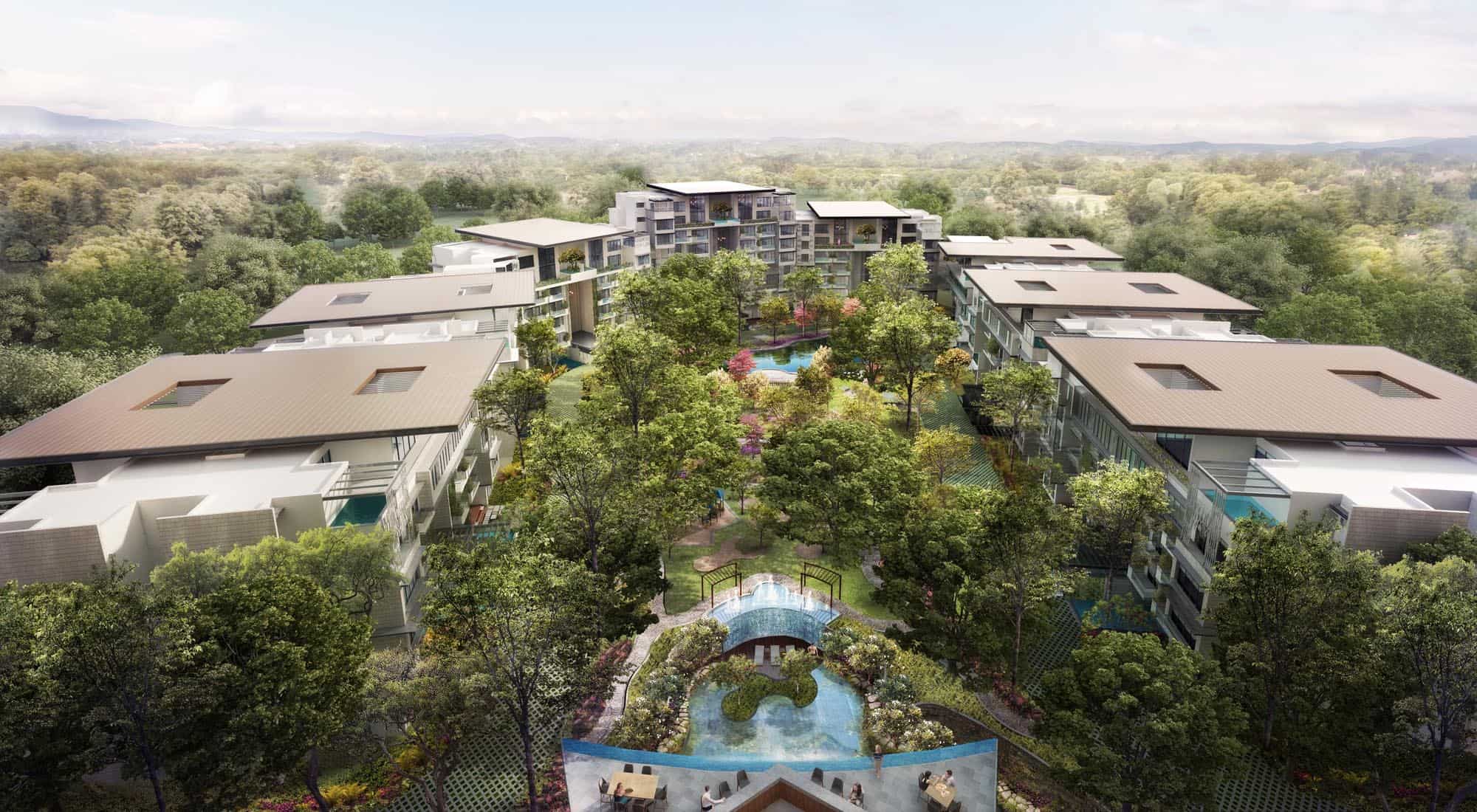
Aerial Masterplan Render

Closing thoughts

Landscape architecture rendering is a tool that’s meant to make your job so much more easier. It does the same thing you would be doing otherwise, but it saves your time and the time of your client as well. It allows your workspace to be more productive and get things done a lot quicker. So, if that isn’t enough to convince you to start using landscape architectural renderings, then just wait. This technology is inevitably going to become a key part of the industry. And, in just a few years, time will force you to utilize this incredible technique.
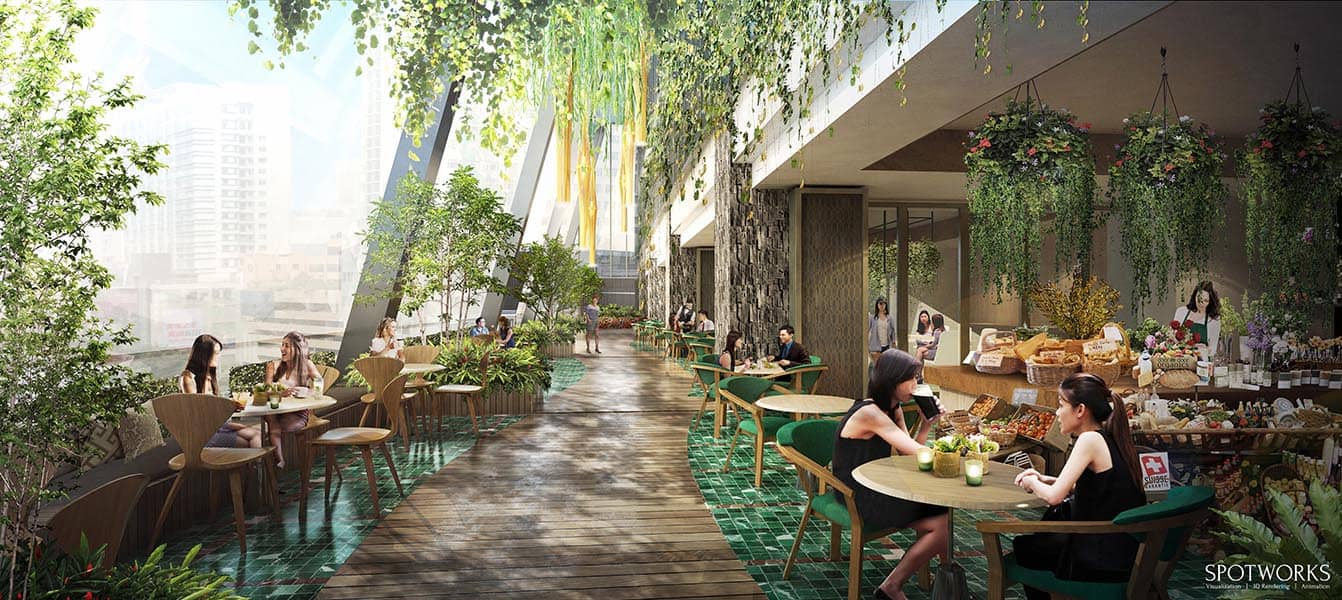
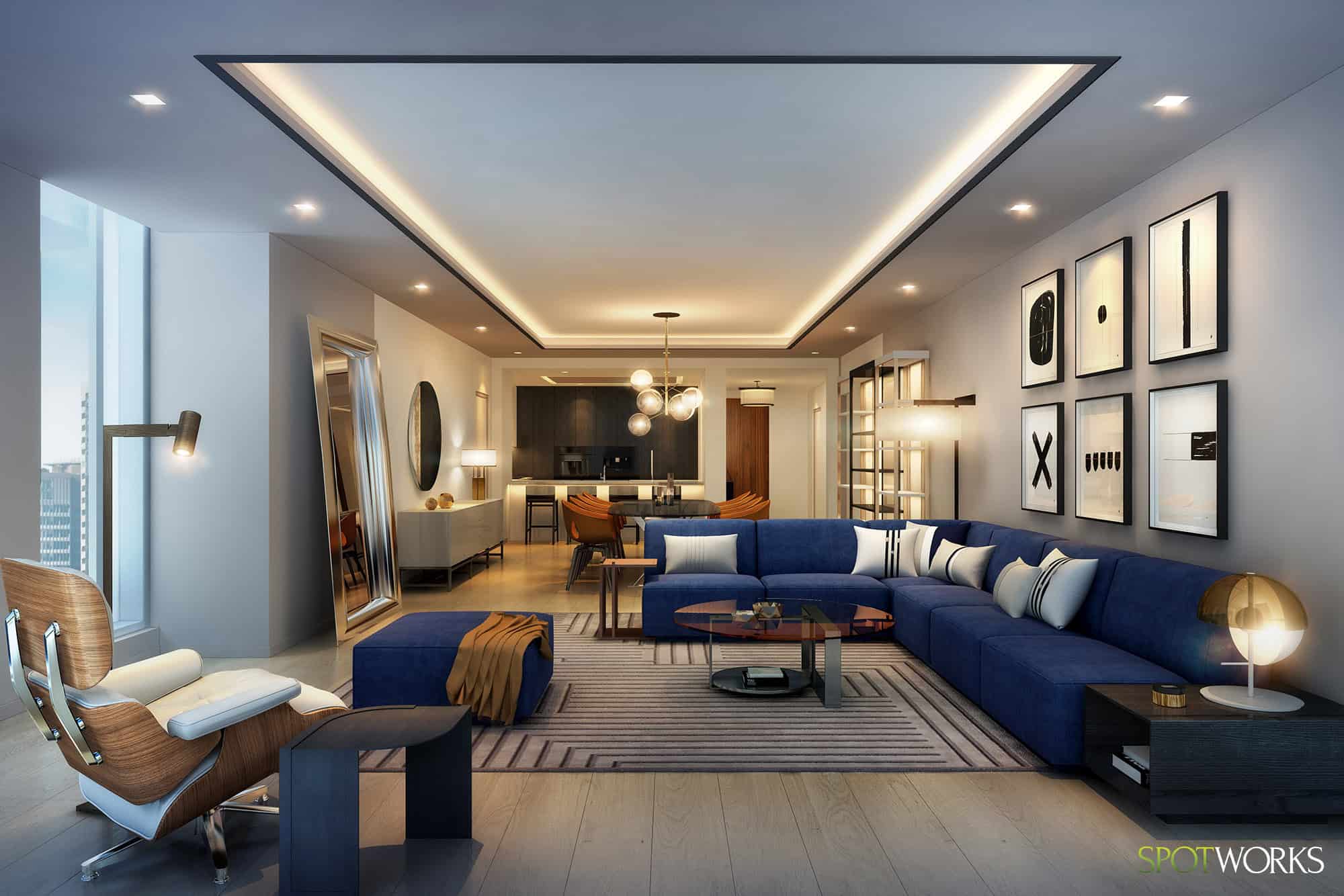
landscape architectural renderings

furniture rendering

5 Benefits of Furniture Rendering

By 3d rendering

Rising Needs of Modern Rendering Furniture

The furniture industry has evolved a lot over the past few decades. It has exceeded expectation and changed into a technological marvel to everyone’s surprise. Incorporate automation and relevant stuff isn’t that special. However, 3D rendering is something that no expected to enter the world of furniture. We’re telling you that 3D Furniture Rendering has become an entire industry and you still might not be able to comprehend exactly how virtualization is changing the furniture industry.

So, in order to help everyone understand, we’ve compiled a list of benefits. These benefits might help you understand exactly why it isn’t just productive, it is the future of this industry.

1. Perfect for Customized Furniture

If you’re a furniture developer, you’d know how difficult it can be to design customized furniture. The client has so many requests and so many minute details. It’s almost impossible to create a final product that’s agreeable to all parties. That’s where furniture rendering comes in. The medium allows you to create a complete virtual replica of how the furniture will look int its finalized form. You can determine the exact dimension, colors, materials and pretty much everything relevant to the actual product. There’s not much explaining left to do, long story short; furniture 3D rendering is the only way to give you an idea of how the furniture looks before you make it.

3d rendering artist

2. Eliminate the Need of a Photographer with Furniture Rendering

Displaying the fine products that your company makes is obviously on the to-do list of literally every manufacturer on the planet. And, furniture companies also tend to share that same to-do list. They have to hire a photographer who charges them hundreds of dollars. Sometimes even thousands, just to take pictures of their furniture.

While the photos may be super high quality and perfect for marketing or catalogs, you have to ask yourself the question, are they even worth it? Why should you drop several grand on a photographer when you could get the same job done, equally good, by an animator or a virtual designer? Virtual images of your furniture won’t just be as excellent as a photographer’s image. They’ll have perfect lighting, perfect background. They literally be tuned to perfection to ensure that if a client is looking at your catalog, he / she is absolutely mesmerized.

3ds max exterior rendering

3. Proactive Client Feedback

To understand this benefit, let’s create an example scenario. Suppose that you’re a furniture manufacturer and your business produces a thousand identical dining table. Now, at the time of designing, the tables looked flawless and definitely something that your clients will like to have. However, once you start rolling out those tables. It turns out that no one likes them and they’re just sitting around with a pile of dust on them in the local Home Depot. Is there a way to avoid this whole situation? How good would it be if you had some way to find out the critic’s response to your product before you manufacture it? Well, with furniture 3D rendering, you do…

Furniture rendering fully gives you the freedom to let your creativity run wild and produce something unique. You can take preorders before your company starts the manufacturing process. This will help you get a pretty good idea of how well the audience will perceive your product after it’s launched properly. Even if no one likes it, there’s no downside for you. Just press delete and that design is gone. Contact the animator and start again. Virtualization is a lot simpler than most people think and it’s one of the most error-accepting techniques out there.

3d models render

4. Create Optimal Backgrounds with Furniture Rendering

Did you create a decent piece of furniture however, your furniture only works with a certain background? Is a certain situation necessary to exhibit your furniture in it’s true beauty? Well, rendering furniture allows you to do just that. Indoor environments are not that relatively hard to achieve. But, if we’re talking about outdoor environments, they’re almost impossible to get right. It can allow you to create a whole atmosphere to your requirements. You could even change the way the weather looks. You’re only exhibiting the best side of your furniture to your potential audience, what else could you possibly hope for?

Rendering of Palms Hotel Views

5. Best Way to Achieve Customer Satisfaction

We talked about this briefly before, but we’re going to get into a bit more detail now. This point also correlates with custom furniture. The thing about clients and custom stuff is that they themselves don’t have everything planned out. Very rarely will a client come up to you with a complete blueprint and ask you to build that object. Usually, it’s just a guy that has a very vague idea of what he wants and he only communicated a vaguer version of that idea.

Thus, the end product results being a lot more different than they were hoping for. This creates friction between the client and the provider which, in turn, lowers customer satisfaction. Rendering furniture can come in and completely rectify this problem. You can tweak around with the design, mess around with the color and alter the dimensions till the customer likes what he sees. Rendering also helps you avoid redoing the whole thing from scratch once you’ve already built the furniture. In turn, saving both you and the client a decent bit of money. And if you ask us, there’s no better way to achieve customer satisfaction than saving the client money.

how does 3d rendering work

Closing Thoughts on Furniture Rendering

3D rendering is revolutionizing the field and is no longer just an unnecessary cost. What’s considered a luxurious commodity right now could possibly end up becoming the name of the game a few years from now. As we can see now, it is widely used in exterior. Even though the price are very different in 2D and 3D exterior rendering, they many people choose 3D. We can’t predict how big either industry could become in the near future. However, we can guarantee that in some time. 3D rendering will become a normal tool in the world of furniture rendering.

living room rendering

(Furniture 3D Rendering Showreel)

real time 3d rendering

How Real Time 3D Rendering Change The Traditional Rendering

By 3d rendering

What is real time 3D rendering?

Real time 3D rendering is a sub-domain of computer graphics focused on the analysis and production of real-time images. The term Real time 3D rendering can be anything from displaying the application’s GUI to real-time image analysis. It’s more often used with respect to interactive 3D computer graphics. usually using a graphics processing unit (GPU). Example of this concept is video game that allows 3D environments to quickly change to produce an illusion of movement. Before continuing reading, make sure you know how 3D rendering work.

The computers managed to generate 2D images as simple lines, images, and polygons in real time from their invention. However, the rapid display of detailed 3D objects is a difficult task for traditional systems based on von Neumann’s architecture. One of the first solutions to this problem was the use of sprites, 2D images that can imitate 3D graphics. Nowadays there are different display techniques, such as rasterization and ray tracing.

Advanced materials and techniques, computers now display images fast enough to create an illusion of movement while accepting user input. This means that the user can respond to images displayed in real time, creating an interactive experience. 3D graphics have taken over our visual space, there’s no surprise that 3D graphics creating studios are vying for attention. From website owners to advertising companies, everyone wants 3D graphics and interactive solutions to create outstanding quality for the client.

3D renderings

Ideal systems for real-time 3D rendering

This has created a strong demand that allows so many studies to appear in such a short time. The trap, in this case, is the price of the equipment. 3D graphics systems are expensive and require a large initial investment. This includes the purchase of main computers where the most important creative process will take place. Then you come with the usual accessories for covering and linking drawings.

There are also the costs of infrastructure and programs that add to the total amount to be spent. Until then, studies still have an opportunity to invest in basic equipment in order to be profitable. However, when it comes to building a real-time 3d rendering system, costs start to grow. As most professionals and even expert work immediately, real-time 3d rendering is an intensive process. It also requires a high processing capacity to process much data of real time.

Gaylord Rockies Hotel Render

However, you need a lot of computing power to achieve decent speeds. Processor alone is never sufficient for that purpose. Most professionals, therefore, create fewer processor groups. Base on the same principle on which multi-core chips are based: many hands make working light.

People usually call this parallel processing and in this way, all demanding computational tasks perform this way. But these processor clusters can’t only be chips because such a system must made to order. Thus, supercomputers take time to build. Clusters, on the other hand, usually interconnect in machines that form integral systems.

They have a full chip, motherboard, RAM, storage and configuration of the operating system. Combined processing power is required to speed up the display process. After all, nobody wants to wait a few days before the film is finished rendering! Real-time 3d rendering has really helped the artist to get things done really fast with high-quality graphics

architectural project

rendering techniques

3D Rendering Techniques Used By The 3D Artist

By 3d rendering

Various Techniques in Rendering

3D rendering techniques help the 3D artist to make your design stand out. 3D rendering is the art of producing three-dimensional images. That shows the features and also the attributes of a proposed architectural design. Knowing that 3D renderings play an important role in the sale of real estate. It also helps the 3d rendering artist to take design-related decisions well before the building is actually built. It is, therefore, useful to experiment with the design of buildings and their visual aspects before real construction.

A 3D architectural renderings are available for buildings, property, houses, bridges, stadium, and for small to medium-sized construction. This 3D Architectural rendering is dominant and widely accepted instrument in planning, developing the design of buildings and interior spaces.

With photo-realistic 3D architectural rendering High-end digital computer graphics, animation and virtual images brings 3D rendering into a thrilling future. The 3D view consists of visual presentations of various structural or non-structural schemes, such as landscape projects and buildings. A walk through and fly by can give buildings a better and more dynamic view of the building.

Creating architectural images can also be a form of support for fulfilling the financial planning of architectural rendering. Before starting construction, you can explore and solve 3D architecture rendering services. 3D rendering artist can be investigated and resolve multiple design Such as neighborhood, landscaping, required ambiance.

The 3D architecture rendering and design is the most excellent technique use by a 3d rendering artist. To acquire several ideas about the assets. 3D rendering sequence gives the artist the ideal direction to judge any assets. Architecture 3D Visualization of 3d models using CAD software brings simplicity into the design models. It is more reliable, efficiently and is not time-consuming.

Common Techniques Use By 3D Artist

The latest technology in photorealistic images that transcends the basic traces of ray, technological stimulation, and new generation of talents. 3d rendering artists uses 3D photorealistic rendering all over the world. Architectural rendering is used daily by 3d rendering artist to review the design of the project. It helps architects and buyers identify with the project. This also determine what changes to make and see the final product before the start of construction.

There are numerous techniques that artist and rendering service regularly use to give their clients complete overview of the design. It helps make the client have a proper view of the property before the project begins. Giving them a view of how life will be inside their property in all types of conditions, day and night. It is designed to provide you with a complete picture of the project.

One of the most common architectural techniques of presentation is a night or evening approach. This is achieved by creating a night effect with the property as the prominent point. So the homeowner can imagine how the property is going to be in the first night after it is completed. Another common technique is to draw a building or project in stormy weather.

Depending on the location of the project, the storm can be anything from rain to snow. Drawing a house with snow-covering the roofs and white snow around the building can have a big impact. Allowing the user to easily and confidently have a presence in his new home. That’s why many of the architects are using 3D rendering services in Los Angeles now.

3D Visualizer

Powerful Architectural Rendering

In this specific architectural display, the artist will focus on the details of the grass surrounding the property. Adding reflections, and even the shade that the trees can provide. A detailed design is something that all customers can identify and are extremely popular with architects around the world.

Performing the implementation in the selection of seasons also a very effective and widely use in implementation technique. For architectural rendering, the design must be presented as much as possible.

Therefore, you have to choose a rendering to make an impact on each project. There are some very important factors that 3d rendering artist consider when selecting software. Architectural rendering to help you get the design drawings that you need in order for your customers to move forward.

First of all, you want to be sure to choose a reputable company. You need a company with many years of experience that can offer you choice and flexibility. Of course, you do not want to exceed the budget. Outsourcing rendering services can save you a lot of time and money in the long run. Make sure you do your research.

The best option is to choose about 3 architectural rendering service that you think you can work on. Three is a large number that allows you to view and compare available options by narrowing down your search. Finding a company that offers you quick, effective, high quality and affordable rendering solutions that’s trustworthy and reliable.

best free 3d modeling

3D Rendering And Animation Latest Techniques

Animators use 3D rendering techniques to revive their drawings. 2D has the same purpose, but the computer and its software capabilities open the possibilities of 3D animations.

Now, with the capabilities of 3D Flash and online 3D Illustration, a new world of animation for all people. Usually, when people think about animation, they associate it with cartoons. Actually, Its way more than this sector. Everything that is being done to get started is technically animated and not limited to cartoons. A good example of animation can be a 3D layout or one of the 3D building plans you see. It is easy to see the potential benefits of 3D rendering in all types of industry.

Not just in the cartoon or film sector. Companies can now demonstrate their capabilities through these 3D views, making it a very powerful marketing tool. 3D rendering can even go beyond business and become an effective training tool in all types of applications.

When you see that the number of 3D opportunities increases. You can easily see where your career and work can increase in the requirements of the 3D animator industry. As it grows, the capabilities of the software used to get the display results will increase.

3d rendering artist